The Greatest Resource in Your Setting Isn't on the Shelf – It's Your Team
By Zoe Duggan, Founder of Circle Early Years Consultancy
Over the past few weeks I've had the privilege of working with professionals across a wide range of services.
One day I've been delivering bespoke baby room training.
The next, professional boundaries training for care staff.
Then child development training for children's residential care providers.
Alongside this, I've completed a Mock Ofsted inspection for a newly registered non-domestic childminder and spent time preparing for the new academic year with my T Level Childcare and Education students, exploring different pedagogical approaches and what they mean for practice today.
Although every setting has been different, I've come away reflecting on one simple truth.
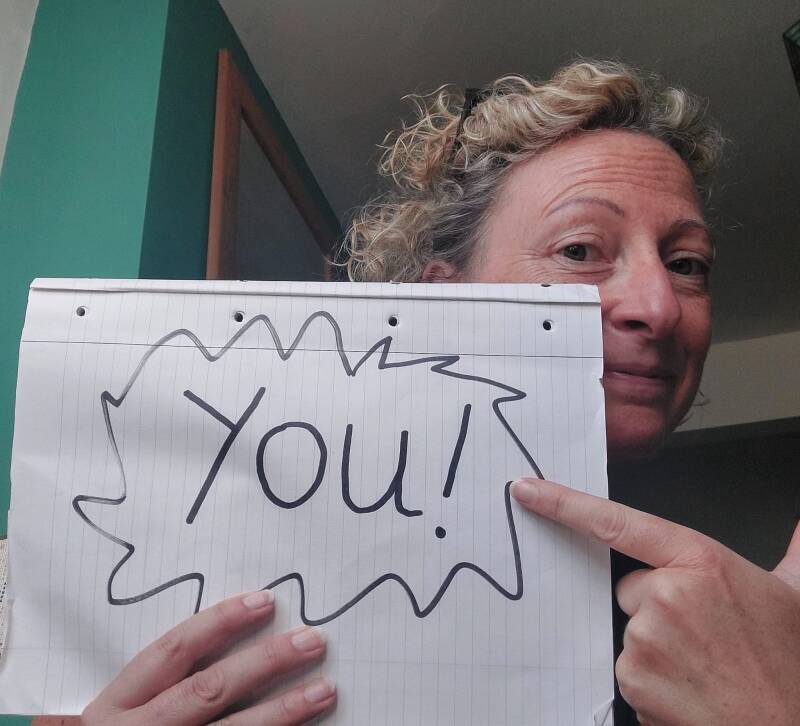
The greatest resource in any setting isn't what's on the shelf.
It's the people.
Great Practice Doesn't Start With Better Resources
In early years, it's easy to believe that improving provision means buying more.
More toys.
More equipment.
More furniture.
More displays.
Of course, well-planned environments matter.
But they don't create meaningful learning on their own.
During one of my recent baby room training sessions, we spent a considerable amount of time discussing responsive caregiving.
We explored how babies learn through relationships rather than resources.
A nappy change becomes communication.
Feeding becomes connection.
Eye contact builds attachment.
A smile becomes reassurance.
Learning isn't paused during care routines.
Learning happens because of them.
Sometimes the Simplest Resources Are the Most Powerful
A few days later, I visited a newly registered non-domestic childminder to carry out a Mock Ofsted inspection.
Like many new providers, they were understandably thinking about resources.
What should they buy?
What else did they need?
Our conversation quickly moved away from shopping lists.
Instead we talked about:
- water
- natural materials
- open-ended play
- loose parts
- cardboard boxes
- practitioners following children's interests
Because children don't need endless plastic toys to become curious learners.
They need adults who know how to create meaningful experiences.
Training Should Change Thinking
One of the biggest compliments I receive after training is not:
"That was interesting."
It's:
"I hadn't thought about it like that before."
That's exactly what good professional development should achieve.
Training shouldn't simply tick a compliance box.
It should challenge assumptions.
Encourage reflection.
Build confidence.
Most importantly, it should improve outcomes for children.
Why Practice-Led Consultancy Matters
Recently there has been increasing discussion across the sector about the value of practice-led consultancy.
I couldn't agree more.
Real improvement rarely happens because somebody sat through another PowerPoint presentation.
It happens when someone spends time understanding your setting.
Observing practice.
Asking questions.
Supporting leaders.
Helping teams reflect.
Working alongside practitioners rather than simply telling them what to do.
That's the approach I take through Circle Early Years Consultancy.
Bespoke Early Years Training
Every setting is different.
That's why every training session I deliver is different too.
Current training includes:
- Baby Room Practice
- Child Development
- Communication and Language
- Professional Curiosity
- Safeguarding
- Leadership and Management
- Reflective Supervision
- Preparing for Ofsted
- Behaviour as Communication
- Attachment and Relationships
Training can be delivered in person or online and is tailored specifically to your setting, your staff team and your priorities.
Children's Residential Care Training
Alongside early years consultancy, I also deliver bespoke training for children's residential care providers.
Sessions combine current research with practical application, helping staff understand not only what they should do but why it matters for children and young people.
Mock Ofsted Inspections and Quality Improvement
As a former Ofsted Early Years Regulatory Inspector, I understand inspection from both sides.
A Mock Ofsted inspection isn't about catching people out.
It's about building confidence.
Identifying strengths.
Supporting improvement.
Helping leaders understand what inspectors are likely to see and, more importantly, why.
Many settings also choose to combine a Mocksted with bespoke training, allowing professional development to be targeted towards genuine areas for improvement rather than assumptions.
Investing in Your Team Is Investing in Children
Every conversation I've had over the past fortnight has reinforced the same message.
The quality of a setting is never determined solely by its resources.
It's determined by the knowledge, confidence and relationships of the people working within it.
When practitioners understand child development...
When leaders create positive cultures...
When training changes practice...
Children benefit.
And that's what really matters.
If you're looking for bespoke early years training, children's residential care training, a Mock Ofsted inspection, or support with quality improvement, I'd love to hear more about your setting and discuss how Circle Early Years Consultancy can support your team.
Add comment
Comments